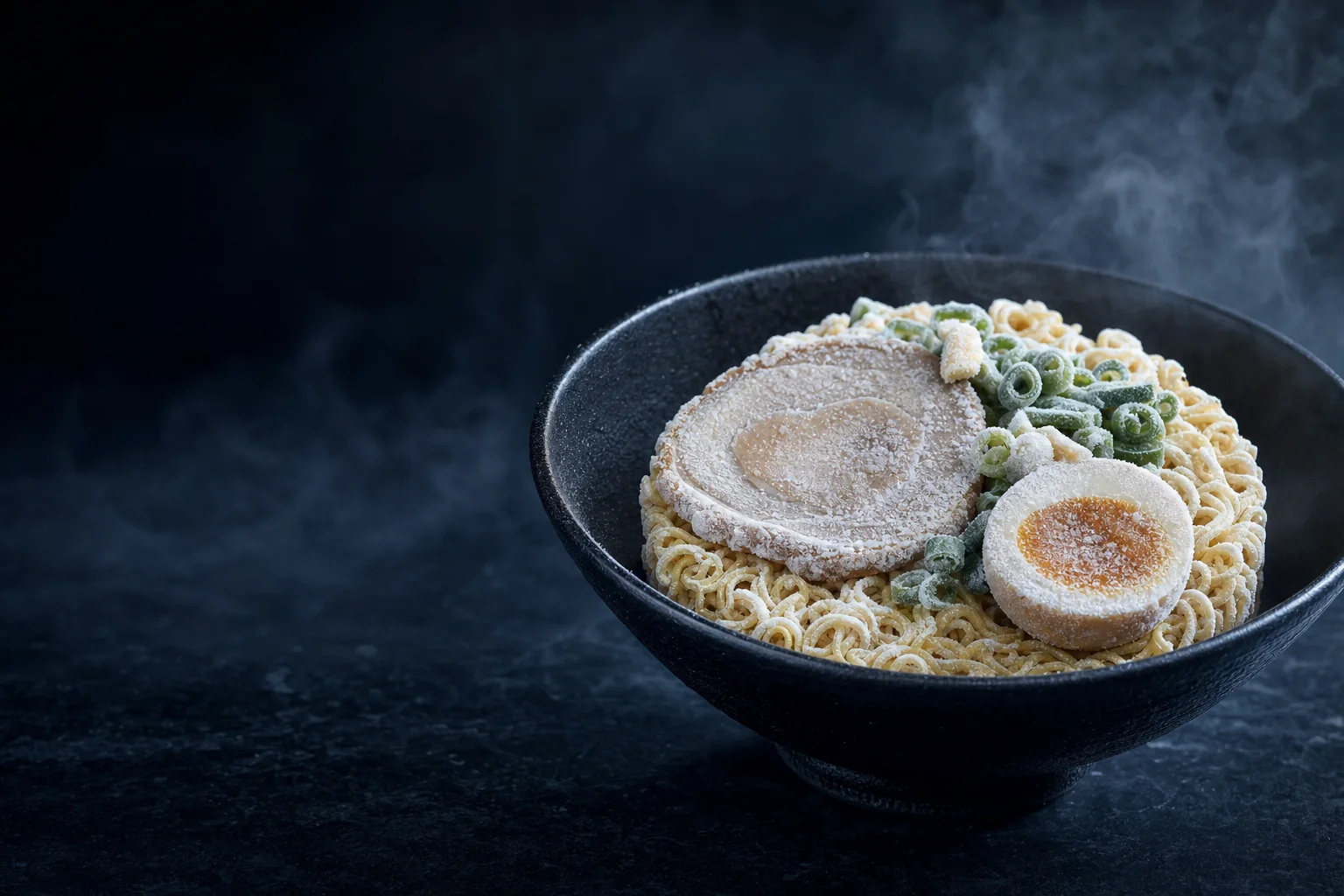
 Hour 22 · −41 °C
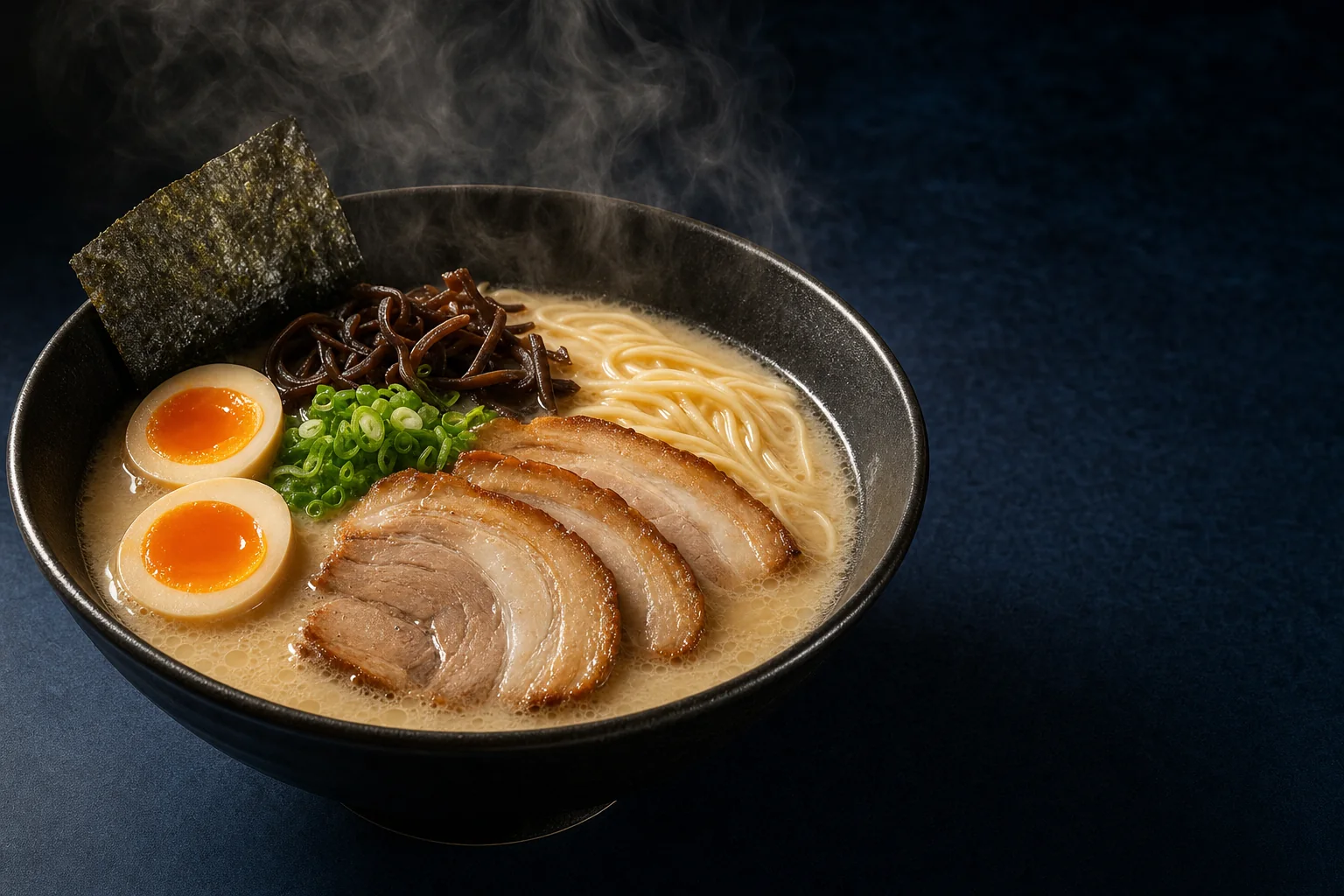 Second 90 · +100 °C
Frozen at the peak.
Woken in ninety seconds.
We cook the whole bowl — eighteen-hour tonkotsu, jammy ajitama, chashu — then sublimate it solid. Boiling water brings it back exactly as it left the counter.
Sublimation, not dehydration
−41 °CFreeze
0.0004 atmChamber
22 hSublimation
90 sBack in
24 months, no freezerShelf life
Three moves, one of which is waiting
Kettle · timer · one stir
There is no flavor sachet, no oil packet, nothing to fry. The seasoning is already in the bowl, because the bowl was already finished when we froze it.
Pour
400–430 ml · 100 °C
Boiling water, straight over the puck, to the fill line.
Wait
90 s · lid on
Set a timer. Ninety seconds — not sixty, not three minutes.
Bloom
stir once, from the base
The broth re-emulsifies, the noodle wakes, the egg is jammy.
Four of the eight
Hover a bowl to wake it
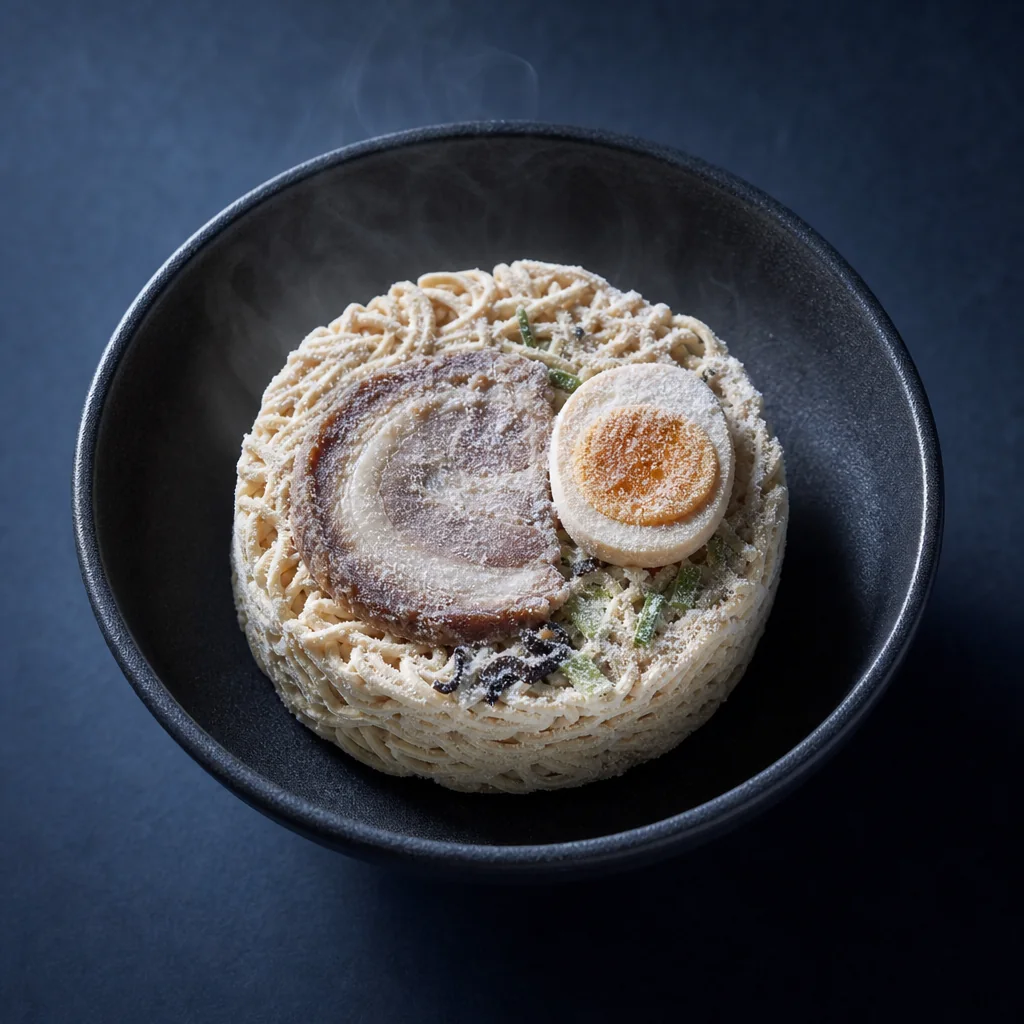
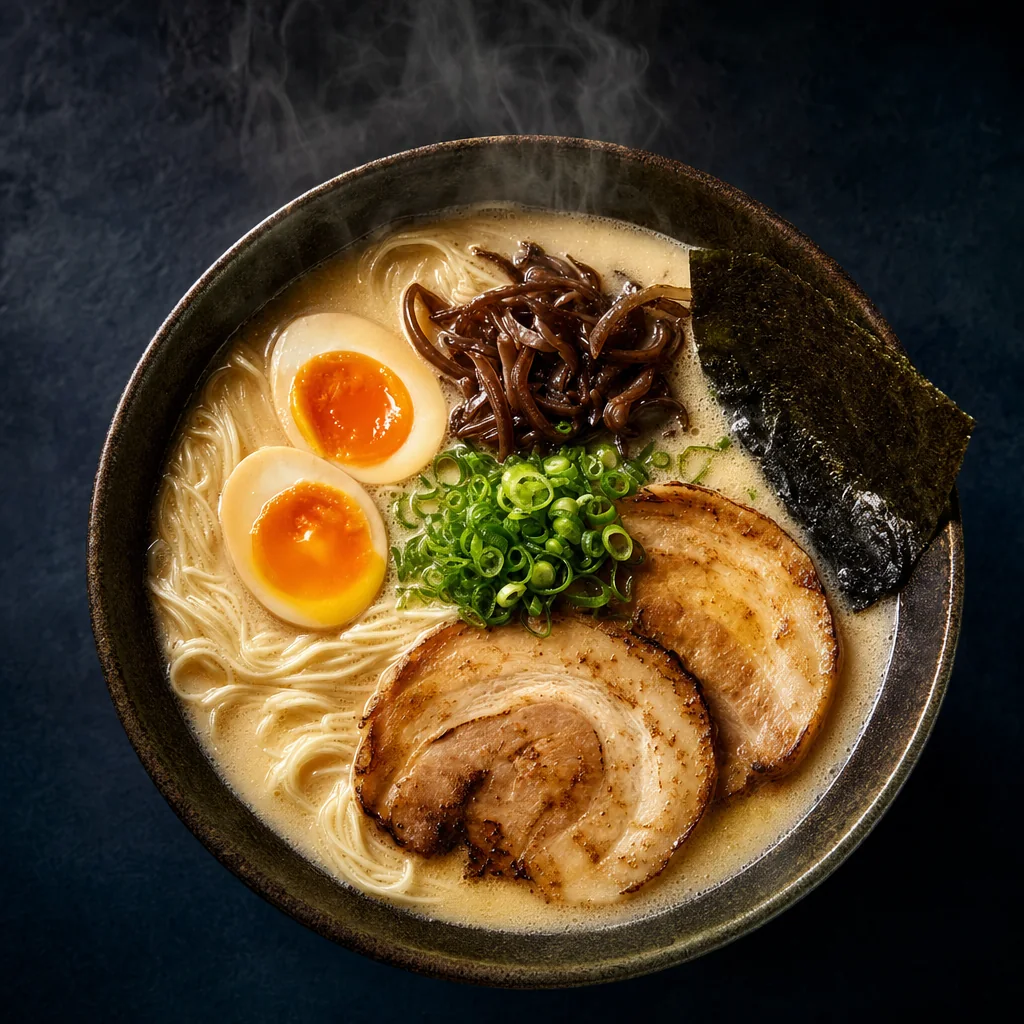
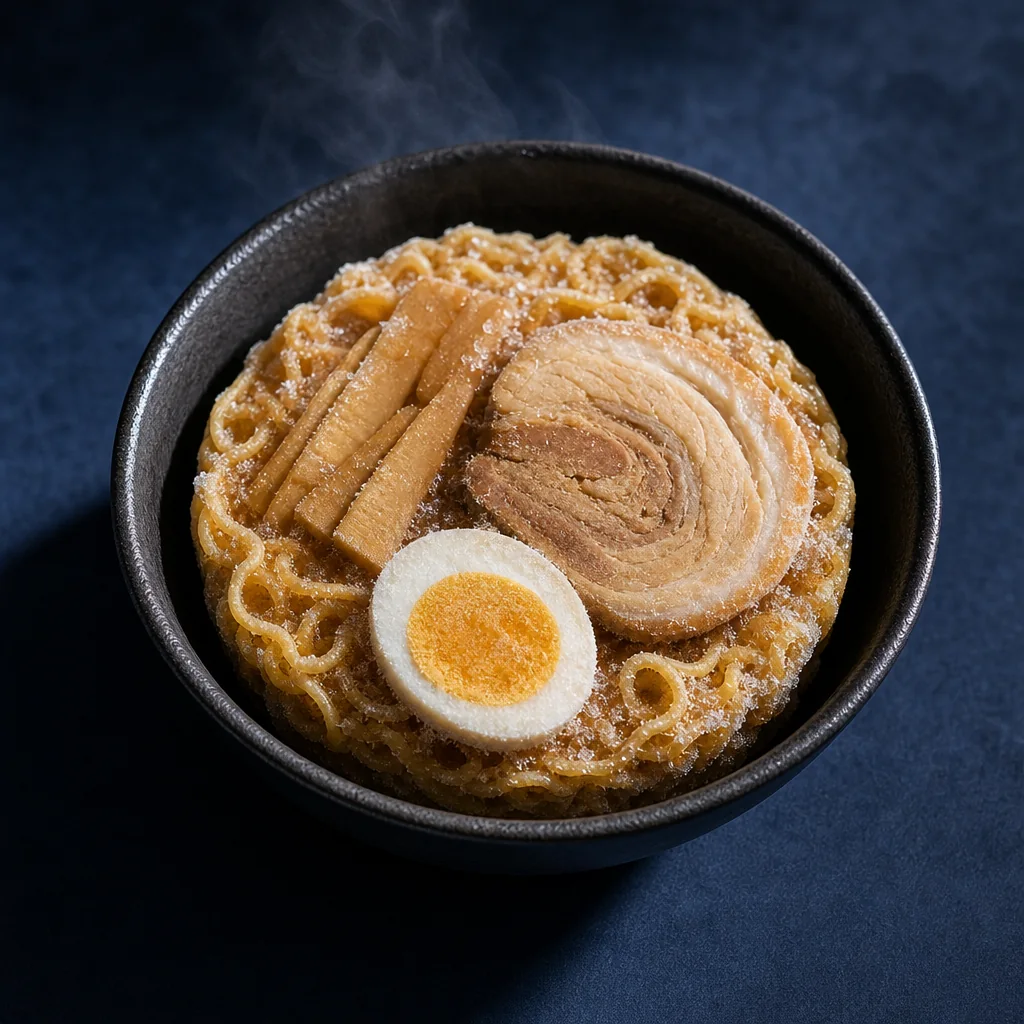
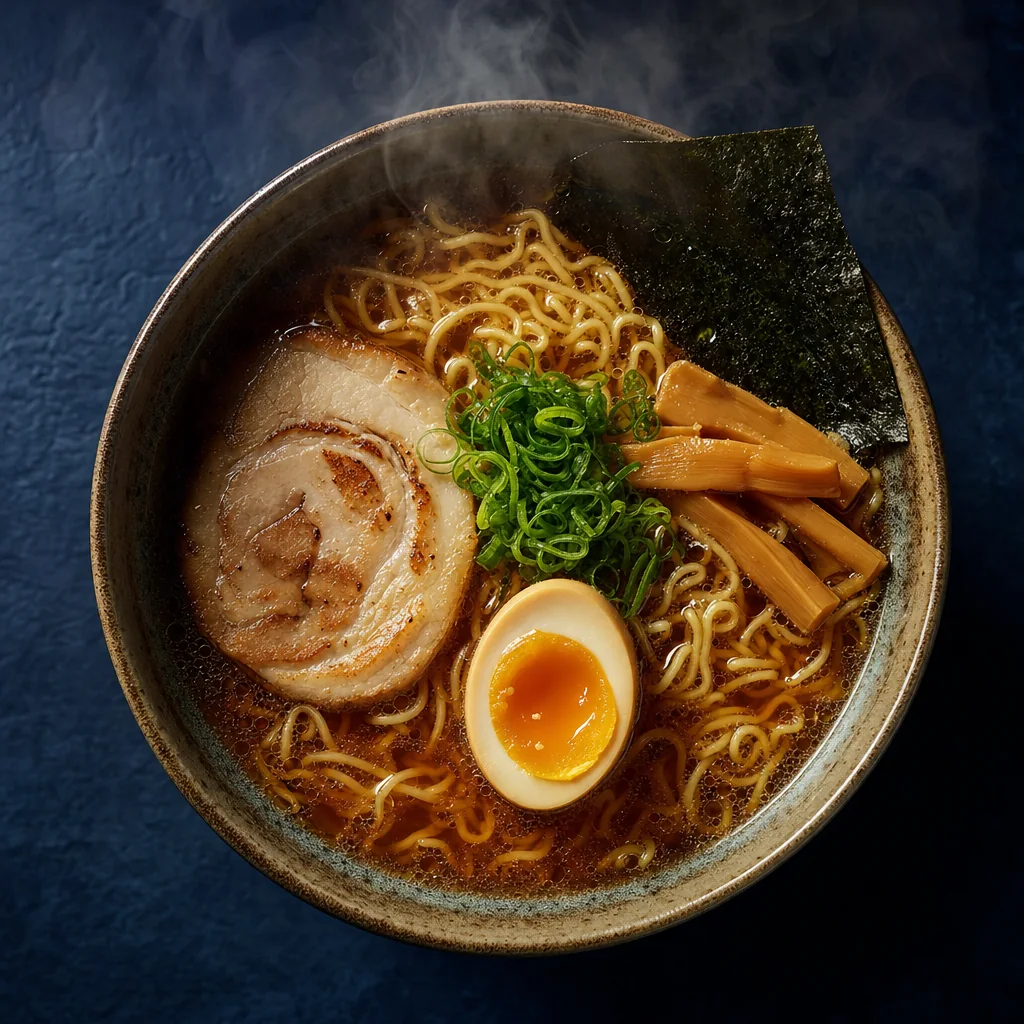
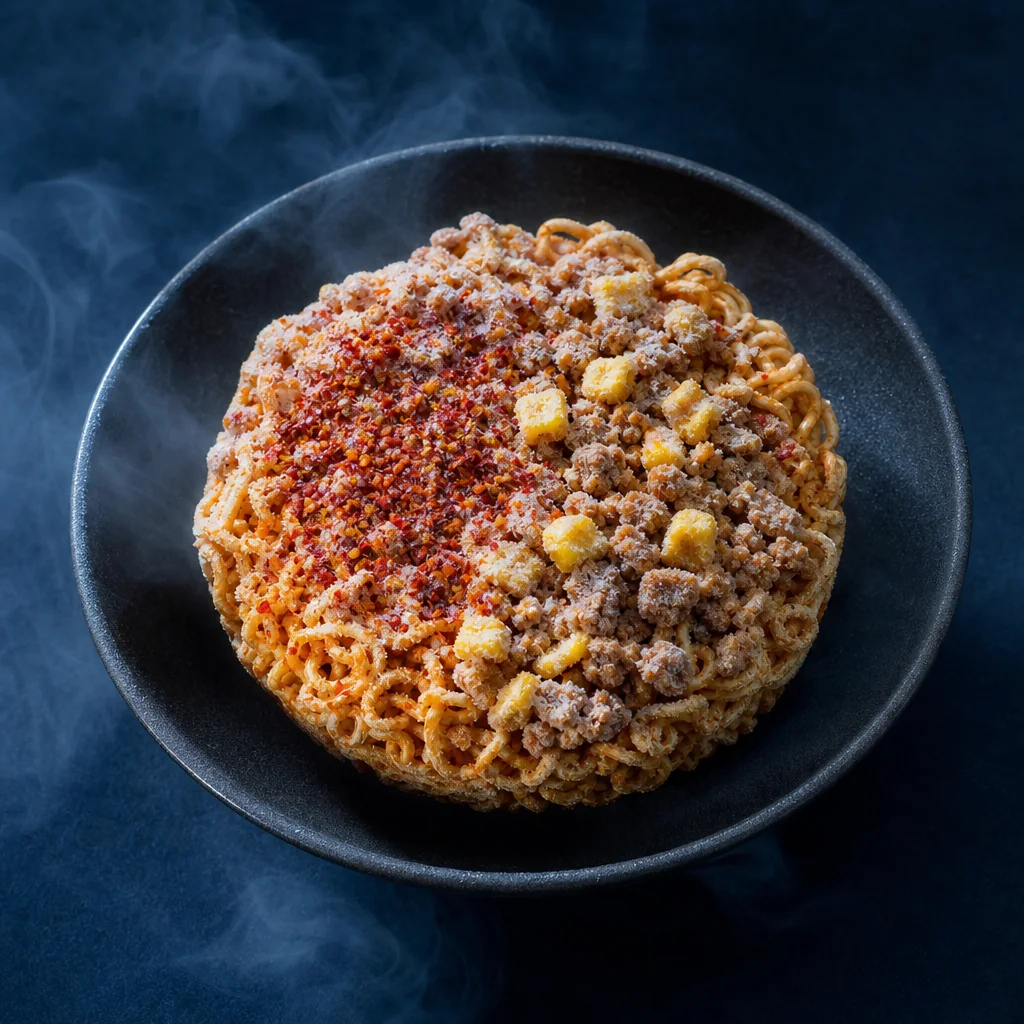
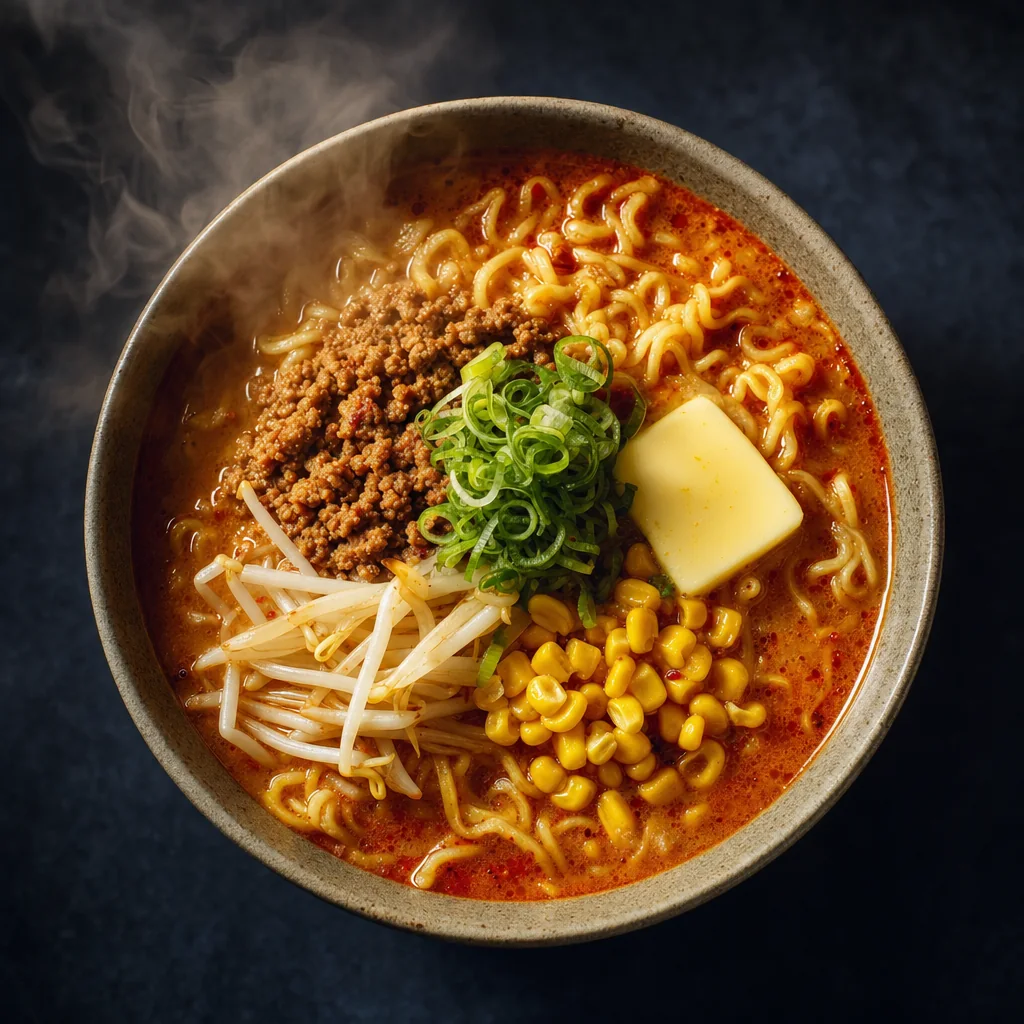
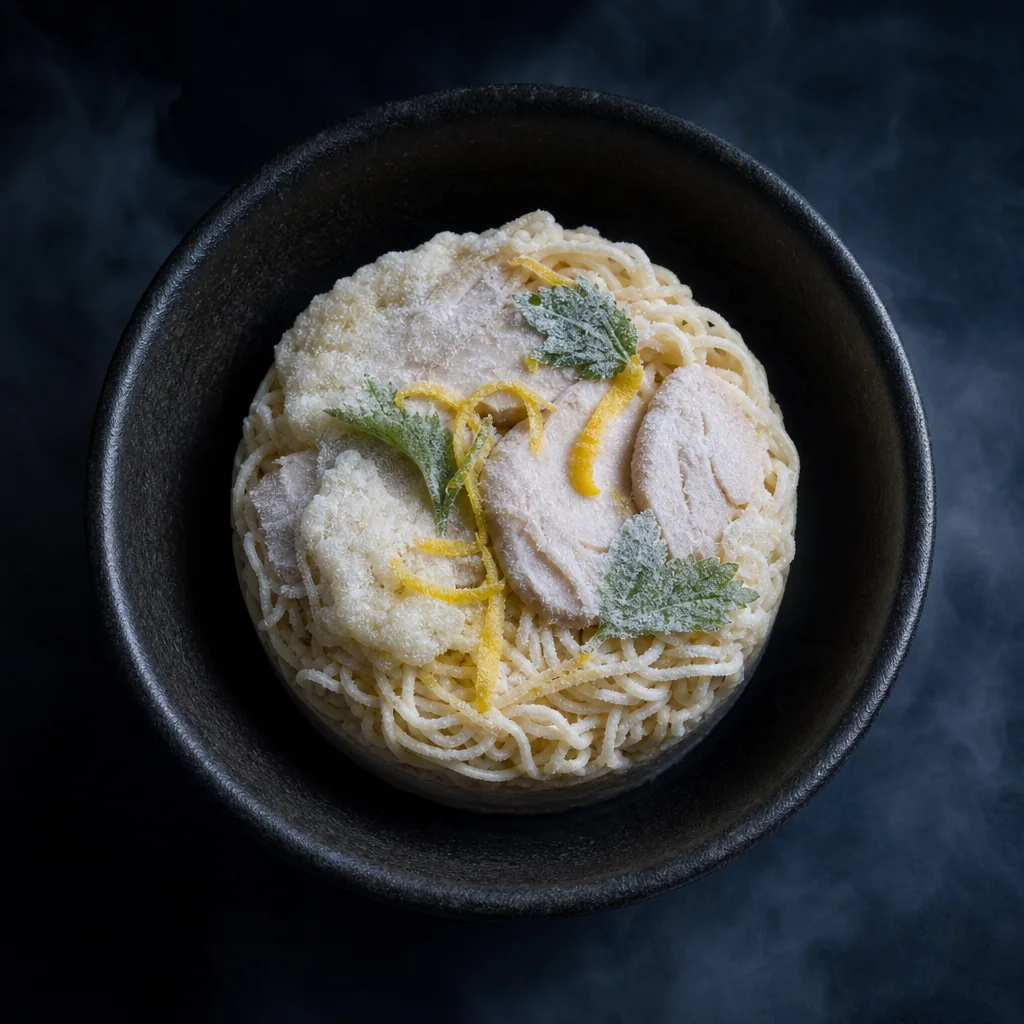
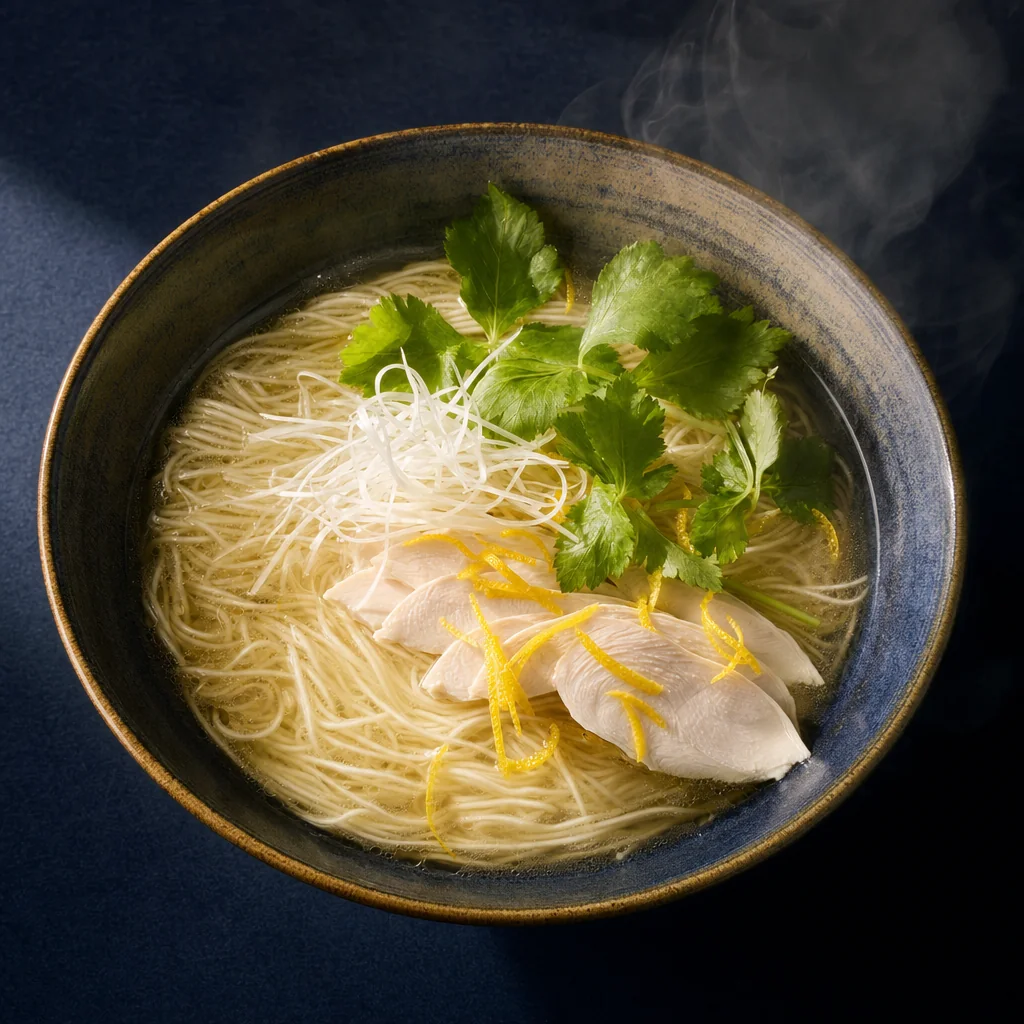
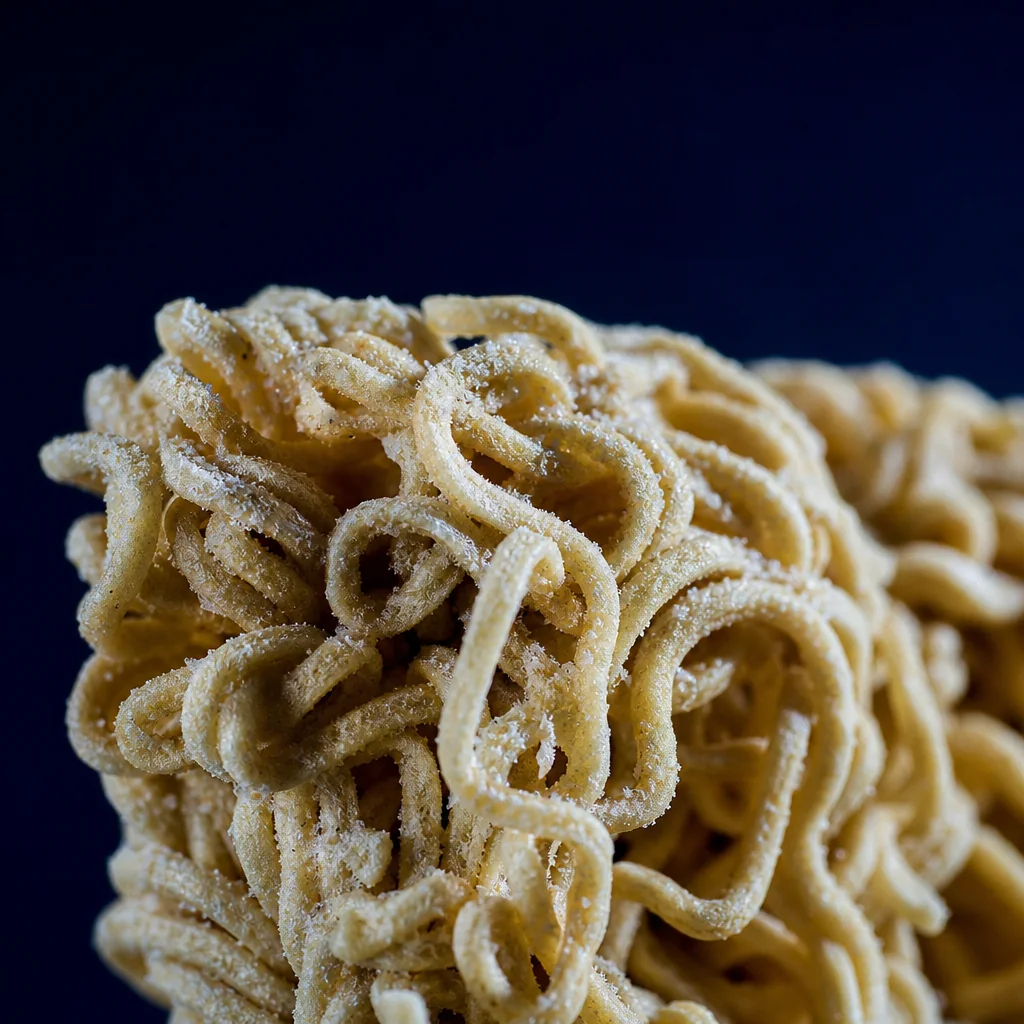
Noodle lattice after 22 hours in the chamber
Ice that never becomes water
Cup noodles are flash-fried at 150 °C and rebuilt from parts. We do the opposite: drop the chamber below the triple point, where ice cannot melt and can only leave as vapor. The broth’s fat, the yuzu oil, the egg’s texture — none of it is ever heated a second time, so none of it is ever lost.
Inside the chamberWhat they wrote down
Press, 2026
“The anti-cup-noodle has arrived, and it was worth the wait — all 22 hours of it.”The Alder Weekly · 2026-03
“Kōridashi's frozen puck looks like a museum piece. Ninety seconds later it eats like a Thursday night in Fukuoka.”Sound & Salt · 2026-01
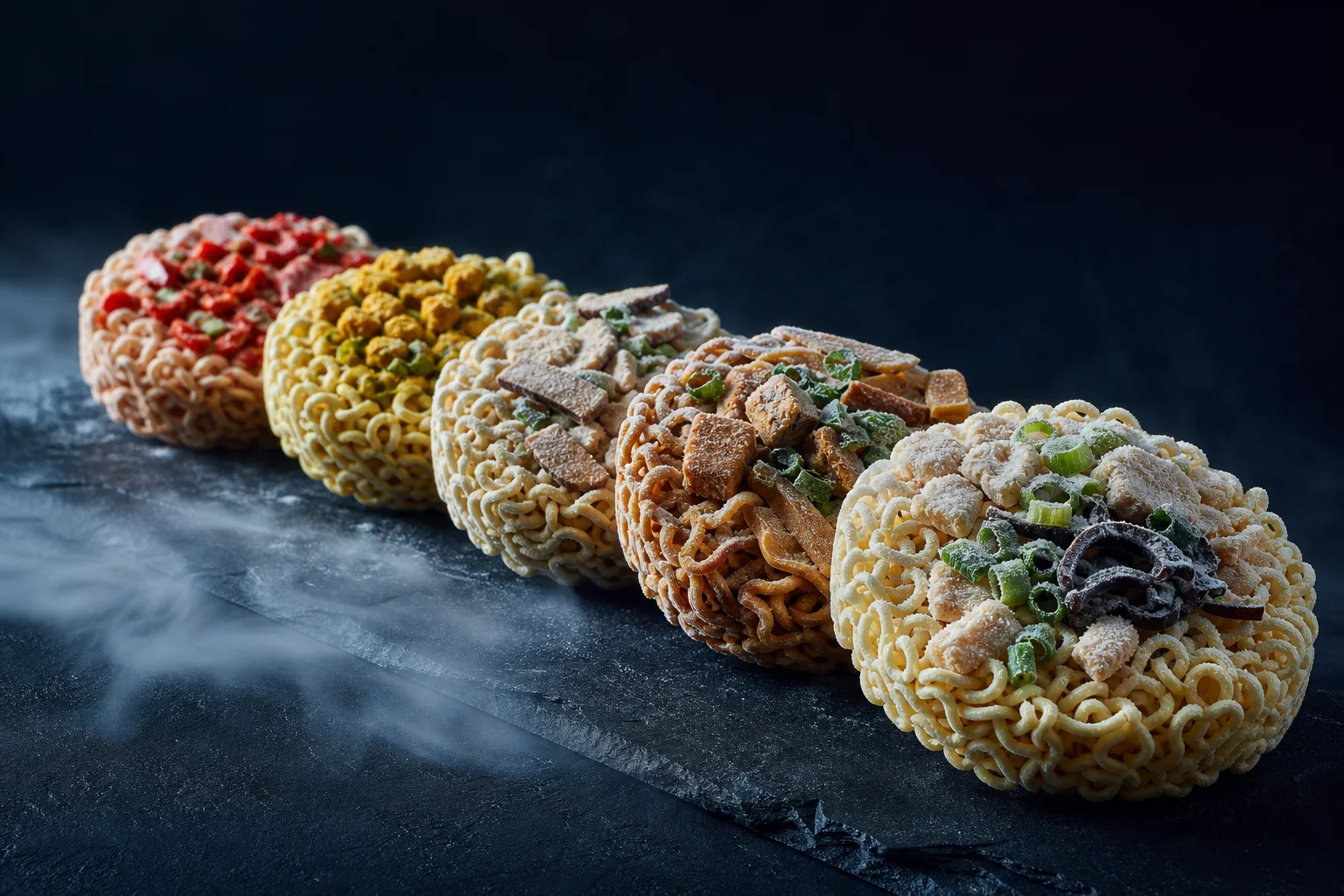
Keep eight bowls in a dry cupboard for two years
Ships ambient · free over $60
The cold case is the whole lineup, one of each. Open it at 3 a.m., at 6,400 feet, or on a boat with no freezer.
Build a cold case